Which of These Best Describes Vaporization
A non-protein organic molecule that is required by some enzymes in order to catalyse a reaction on a substrate. II The vapor pressure has a unique value.
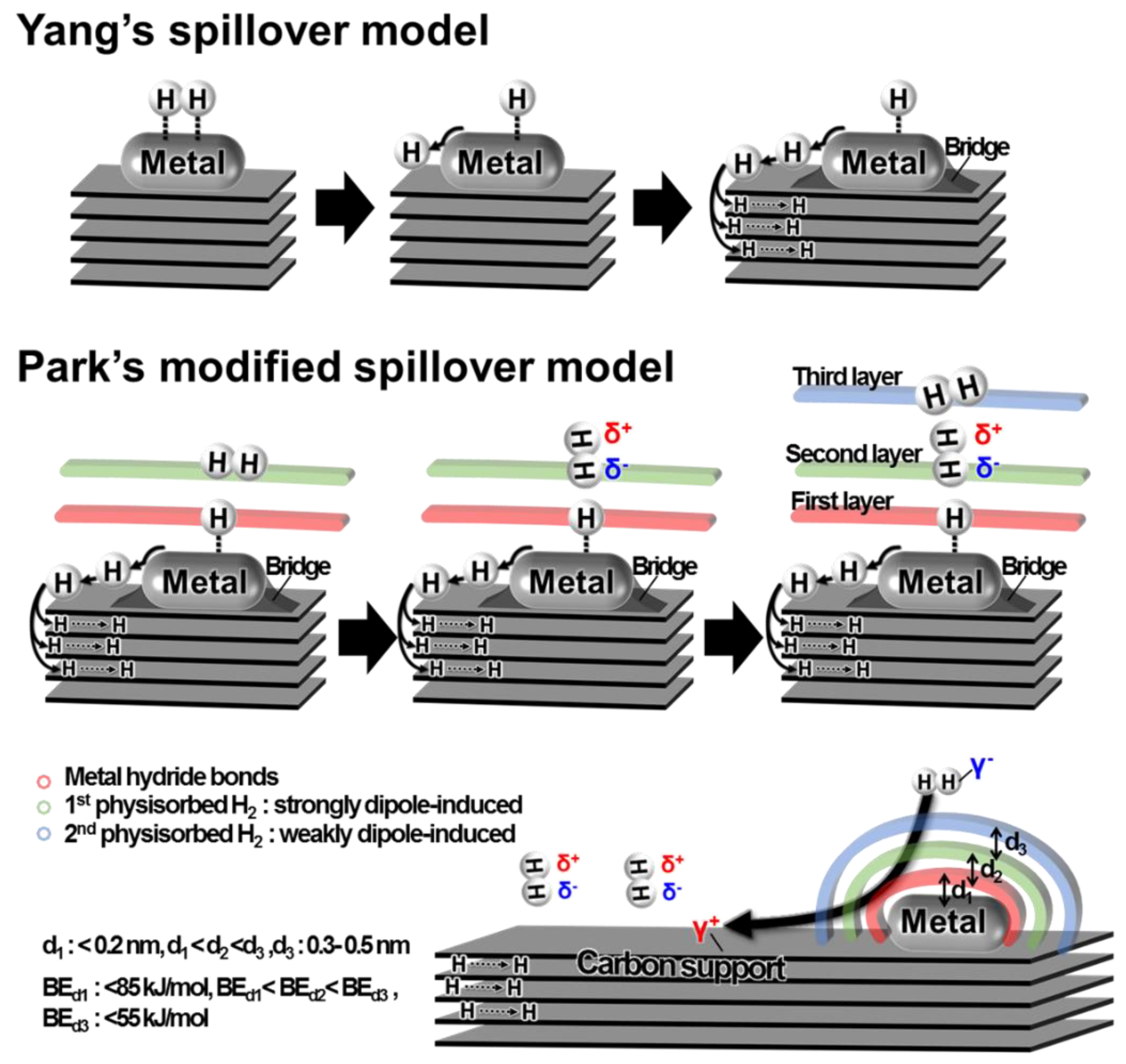
Processes Free Full Text Recent Progress Using Solid State Materials For Hydrogen Storage A Short Review Html
Which of the following best describes what takes place during the solvation process.
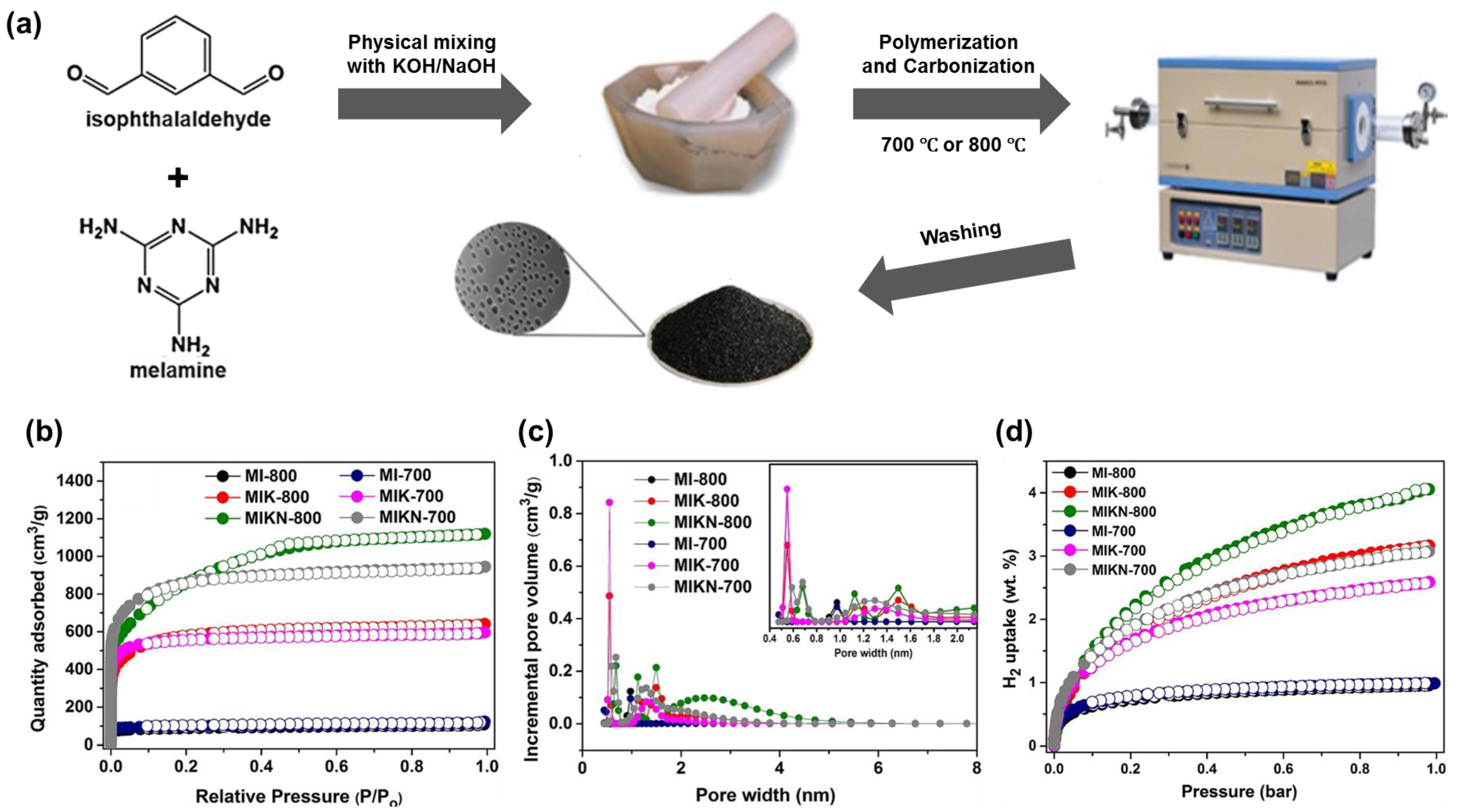
. The process by which a liquid changes to a gas b. Which statement best describes the energy changes associated with evaporation and boiling. A The condensation rate decreases.
Section 12-2 24 When a liquid is in dynamic equilibrium with its vapor at a given temperature the following conditions could exist. A Molecules of the solute are attracted to one another more than the solvent. The change of phase from a solid to a gas is called vaporization.
A non-protein substance that is required by an enzyme if it is to catalyse a reaction. Sucrose is the. Vaporization is the pass from liquid where the molecules are pretty close one to each other to gas where the molecules are more distant from each other.
Vaporization can be defined as the process in which liquid state changes into the vapour state. What describes the condensation of water vapor. B Solvent molecules surround solute molecules and pull them out into the solution.
To reach that separation of the molecules the strong hydrogen bonds must be overcome. The best interpretation at the molecular level is that water molecules F have stronger intermolecular attractions G occupy larger molecular volumes H set up stronger repulsive nuclear forces J collide more frequently with each other Molar Heat of Vaporization 407 kJmole NH 234 kJmole 3 H 2 O. What determines the average kinetic energy of the molecules of any gas.
Which of these best describes vaporization. Neither a nor b c. The process by which a solid changes to a gas c.
The process by which a liquid changes to a gas b. Unit Cells Chap 8 Determine the number of atoms in the unit. Which BEST describes the particles of a solid.
Both the process by which a liquid changes to a gas and the process by which a solids changes to a gas. Which of the following best describes all the intermolecular forces exhibited by a pure sample of PH 3. The process by which a solid changes to a gas c.
A solid will gain kinetic energy and become a liquid. Which term best describes the process by which particles escape from the surface of a nonboiling liquid and enter the gas state. Which of these best describes vaporization.
In the process of melting what best describes what happens to a solid. Both a and b d. Most dense in the solid state.
09 Which of the following descriptions best describes a substrate. Which of these best describes vaporization. A dispersion only b dipole-dipole and hydrogen bonding c dispersion and hydrogen bonding d dispersion dipole-dipole and hydrogen bonding e dispersion and dipole-dipole.
In general most substances are. I There is no transfer of molecules between liquid and vapor. Which statement best describes the illustrated process.
A solid will lose kinetic energy and become a liquid. Atoms gain energy during evaporation and boiling. Have weak attractive force D.
A solid will gain potential energy and become a liquid. C Molecules of the solvent are attracted to one another and exclude solute molecules. Describes the process by which gas molecules aggregate to form liquids.
7 which best describes the particles of a solid a. Both a and b d. Neither a nor b ____ 36.
The rate of vaporization starts at zero and increases until it equals the rate of condensation. The rate of diffusion in solids is very low because the. Vibrating at a fixed position C.
Which statement best describes the energy changes associated with evaporation in boiling. As a result of an increase in temperature the kinetic energy of the molecules increases. Water and ammonia have different molar heats of vaporization.
Sucrose is the solute water is the solvent and mixing is driven by entropy. This is it is an atracction among molecules which trends to keep the molecules close one to each other quite strongly. The rate of condensation starts at zero and increases until it matches the rate of.
Have large spaces in between. Due to the increases in kinetic energy the force. Condensation of water vapors is the transformation change of phase from water as a gas to water as a liquid.
Particles are not free to move about.
Processes Free Full Text Recent Progress Using Solid State Materials For Hydrogen Storage A Short Review Html

Evaporation Evaporation Science Flashcards Kindergarten Science

The Fitzroy Large Rucksack Rucksack Backpacks

11 5 Vaporization And Vapor Pressure Chemistry Libretexts

Evaporation Evaporation Science Flashcards Kindergarten Science
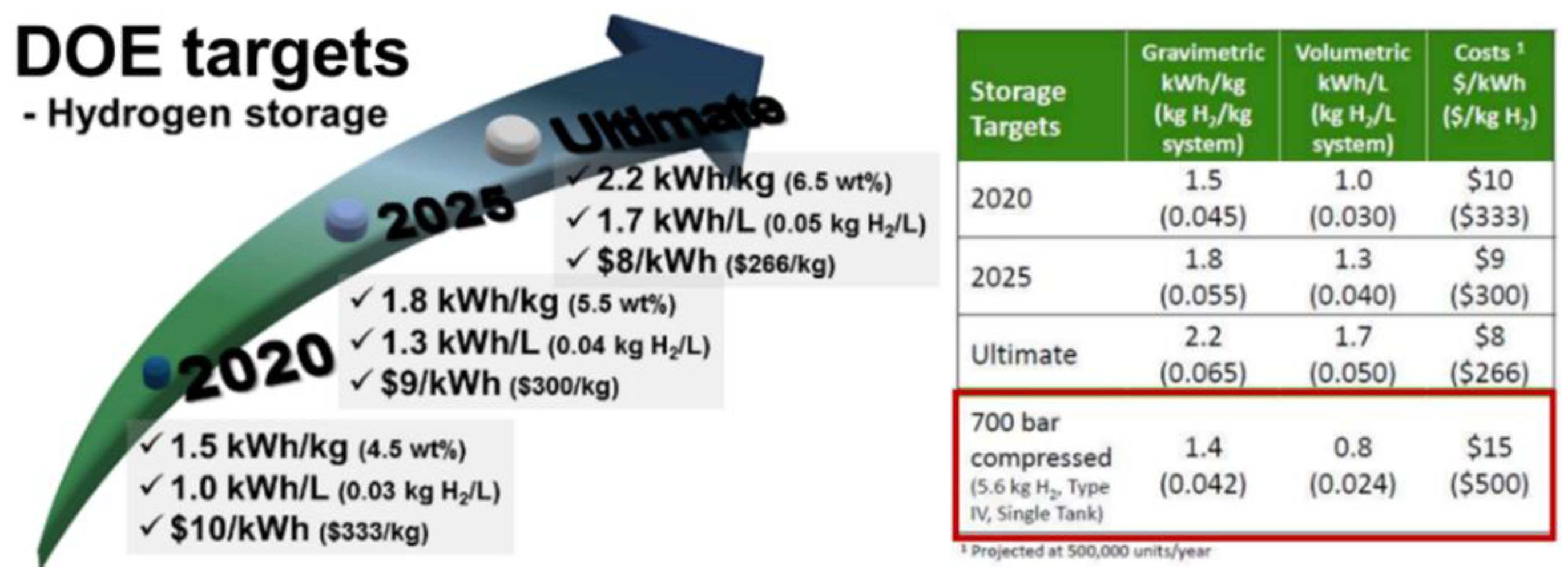
Processes Free Full Text Recent Progress Using Solid State Materials For Hydrogen Storage A Short Review Html
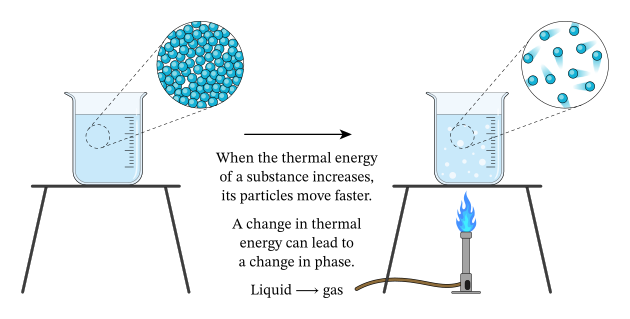
Lesson Explainer Changes Of State Nagwa

Heat Energy And Phase Changes Chemistry Quiz Quizizz

Determination Of The Vaporization Order Of Crude Oils Through The Chemical Analysis Of Crude Oil Residues Burned On Water Sciencedirect

An Overview And Analysis Of The Thermodynamic And Kinetic Models Used In The Production Of 5 Hydroxymethylfurfural And Furfural Sciencedirect

27 Camping Products That Will Make The Outdoors Greater Neapolitan Ice Cream Freeze Dried Ice Cream Space Food

Processes Free Full Text Recent Progress Using Solid State Materials For Hydrogen Storage A Short Review Html
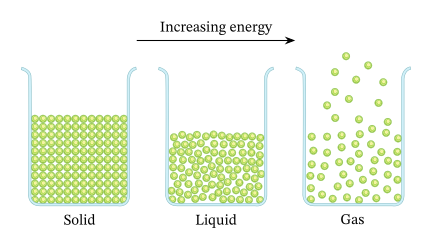
Lesson Explainer Changes Of State Nagwa

T9passimilates Terrace Eevolute Phosphenes Released On De Tuned In Dec 2017 Techno Dutchtechno Technodetroit Techno Light In The Dark Illusions

Water Free Full Text Performance Of Satellite Based Evapotranspiration Models In Temperate Pastures Of Southern Chile Html

Chemistry 1412 Concept Questions Flashcards Quizlet

Arizer Unveils A New Compact Portable Vaporizer Portable Vaporizer Vaporizer Portable Dry Herb Vaporizer

Coatings Free Full Text Simulation Analysis On Flow Field Of Paint Mist Recovery With Single Nozzle For Ship Outer Panel Spraying Robot Html
Genesis And Supergene Evolution Of The Precambrian Sedimentary Manganese Deposit At Moanda Gabon


Comments
Post a Comment